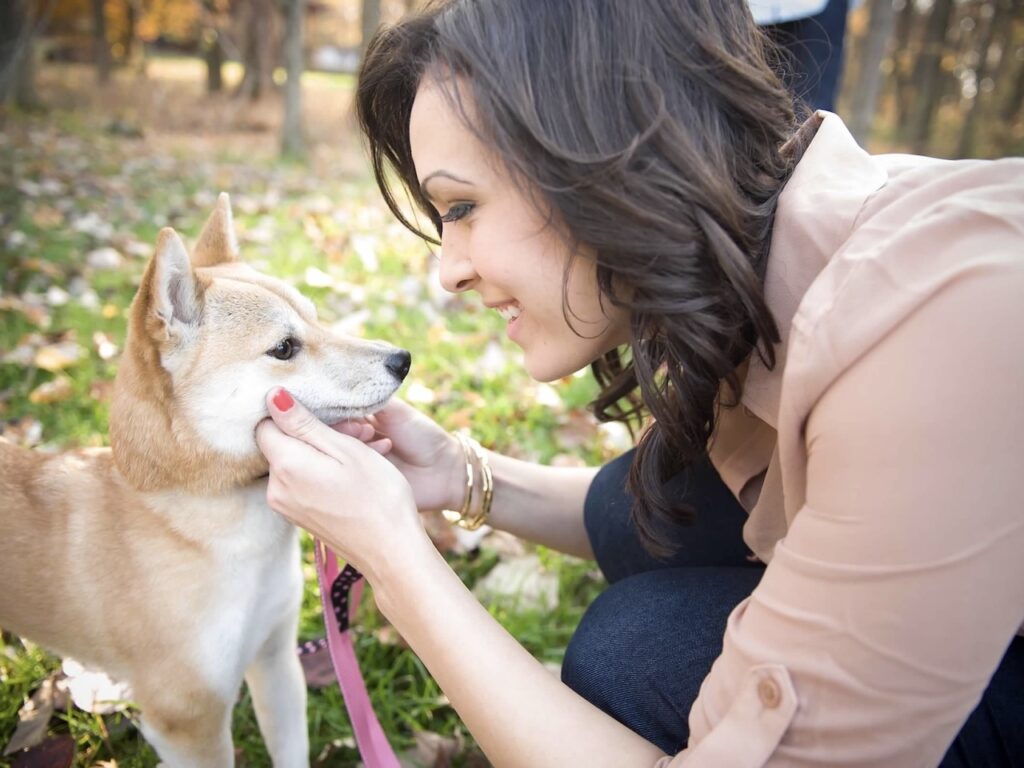
Japanese dog breeds are truly in a category of their own. The six native breeds, known collectively as Nihon Ken—Shiba, Akita, Shikoku, Hokkaido, Kishu, and Kai—aren’t your average floofy pets. Known for their loyalty and independence they are considered primitive dogs, meaning they’ve retained many of the physical and behavioral traits of ancient canines. These traits include: strong prey drives, heightened sensitivity, and natural aloofness. Most Japanese breeds are also spitz-type dogs, easily recognized by their curled tails, pointed ears, and thick double coats, which shed heavily twice a year. These breeds were built for hunting in Japan’s mountains and forests, so they’re smart, athletic, and more serious than your average family pet. Together, these traits give Japanese dogs an interesting look and thoughtful temperament—but they also mean they’re not always easy for first-time dog owners. Each of the six Nihon Ken has a unique story and personality. Here’s part one of the three Japanese dog breeds I’ve owned so far: the Shiba Inu.
Meet the Shiba Inu
Shibas are tiny bosses. They look like foxes, act like cats, and couldn’t care less what you want them to do—unless they want to do it too. The Shiba Inu is more than 2,500 years old and thought to come from dogs brought to Japan by early settlers during the Jōmon period. Fossils of Shiba-like dogs have been found all over ancient sites in Japan. The Shiba Inu is probably the Japanese dog you’ve seen the most—and for good reason. The most popular of Japan’s native dog breeds, it was originally bred for hunting small game in the mountains of Japan. This is clearly reflected in its compact, agile frame and alert personality. Shiba Inus come in a variety of coat colors, including red, sesame (red with black-tipped hairs), black and tan, and cream—each showcasing the breed’s iconic fox-like appearance and sharp facial markings.
They are famous for acting more like cats than dogs. They keep themselves clean, love their personal space, and have got a legendary stubborn streak. While undeniably charming, Shibas are also strong-willed and can be difficult to train for first-time dog owners. Their loyalty is real, but often on their own terms, and they can be aloof or standoffish with strangers.

Discovering the Mame Shiba: Japan’s Tiny Trend
Since moving to Japan, I came across something new — the Mame Shiba, which translates to “bean-sized Shiba.” These pint-sized pups were developed in the 1990s and 2000s by selectively breeding smaller-than-average Shibas. While they’ve gained popularity in Japan, Mame Shibas aren’t officially recognized as a separate breed. Outside Japan, they remain rare, and it’s important to distinguish them from simply small or mixed Shibas. They usually weigh between 4–6 kg (9–13 lbs), compared to the standard Shiba’s 8–11 kg (17–24 lbs). That size difference makes sense in Tokyo, where many “dog-friendly” apartments have a 10-kilogram weight limit.
The Shiba That Lived Up to Every Stereotype
My experience with our red Shiba Inu, Lexi, epitomized the characteristics often attributed to the breed. Lexi was part of our family for 15 years before we had to say goodbye. From the beginning, she was too smart for her own good— frequently escaping crates and even learning how to open doors. Her strong food drive, while beneficial in training settings, occasionally led to unintended consequences, due to her knack for locating and consuming forbidden treats. The vet’s office made a small fortune off her snack-related misadventures— and her lifelong battle with seasonal allergies. (Do you have any idea how expensive a dog allergy specialist is? I do!) But her love of food worked to our advantage, too. Training her, especially for agility courses, was a breeze. She was lightning-fast at picking up commands—except when it came to the seesaw. That one she flat-out refused. Initially, I struggled with her training due to a lack of understanding of positive reinforcement techniques. Between Cesar Millan and many obedience classes, I learned how to be a stronger pack leader.
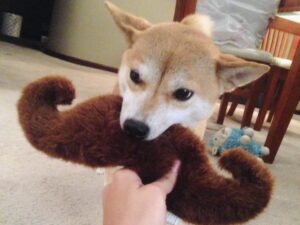
Lexi was affectionate with family members but when we brought home another pup, she made it clear: she was first. And she always would be. She also taught me the infamous Shiba scream, particularly at the vet. But no matter what, she was always brave—always by my side when I called, especially for spider duty. Feisty, smart, loving, and very much one of a kind. She’s the reason I fell in love with Japanese breeds—and above all deeply missed.

Next up is the Akita—another iconic breed with its own distinctive personality. Stay tuned to discover what makes the Akita such a legendary companion, and how my experience contrasts with the feisty Shiba.
If you enjoyed this post, check out these other articles:
Living with Japanese Dog Breeds: Part 2 Akita Inu
Living with Japanese Dog Breeds: Part 3 Shikoku Ken