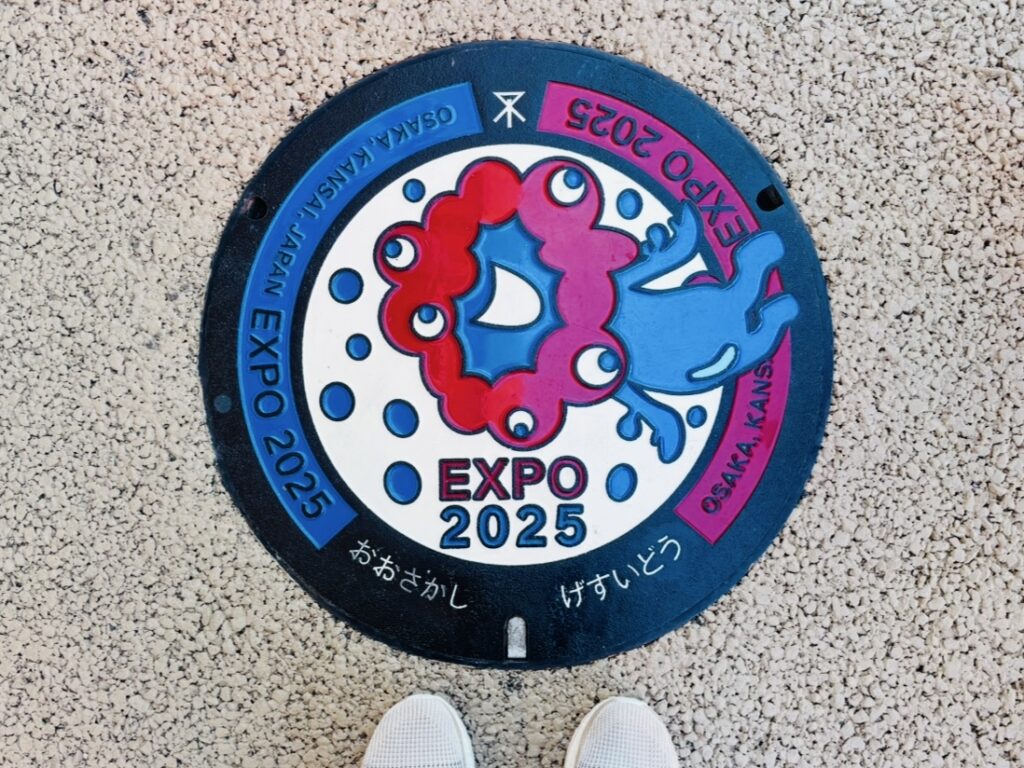
So I just got back from the World Expo in Osaka… and honestly? I’ve got thoughts. If you’re planning to go or just curious about what it’s like, definitely read on.
What’s a World Expo?
A World Expo is a massive international fair held every 5 years, where countries build pavilions to show off their culture, tech, and innovations. It’s basically the Olympics of innovation and culture. Originating with the Great Exhibition in London in 1851, world expos are now organized by the Bureau International des Expositions (BIE). The previous expos took place in Shanghai (2010), Milan (2015), and Dubai (2020, held in 2021). The most recent World Expo is scheduled from April 13 to October 13, 2025.

Our Expo Experience: Getting There
So for our Expo trip, we called in a favor from one of our Japanese friends who’s really good at digging up local travel deals. The kind of sites you’d never find if you didn’t speak Japanese. Thanks to them, we scored a package that included flights from Tokyo, a hotel, Expo tickets, and even Universal Studios. All packed into two days and one night!
We flew out at 7 a.m. You could also take the Shinkansen, which is fun if you’ve never done it, but flying was actually faster and cheaper for us. If you’re planning a similar trip, it’s worth comparing both methods.
Knowing we wouldn’t have time to drop off luggage at the hotel, we packed light and carried small backpacks. Though there are lockers near the Expo entrance, we opted to keep our bags with us. It wasn’t uncomfortable weight-wise, but the heat made things tricky—especially trying to avoid a sweaty back.
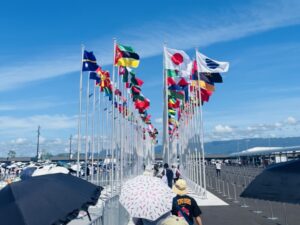
People warned me about Japanese summers, and I thought they were being dramatic. I’ve done Florida in August. I’ve done Brazil. I’ve done tropical islands. But man—they weren’t kidding. It’s not about the temperature, it’s the humidity. The kind that sticks to you, day and night, and just doesn’t let go. I thought Tokyo was intense, but Osaka? Even hotter.
Despite the heat, we made sure to stay hydrated throughout the day. We took a direct airport bus to the Expo and arrived around 10 a.m., ready to dive in. One of our first priorities was trying to secure reservations for the more popular pavilions, both online and at the on-site kiosks—but unfortunately, everything was already fully booked for our group of four. We did manage to get into one show, though it wasn’t one of the main attractions.
The Pavilions
I was most excited about the France pavilion, so we went there next. Luckily, the line was only about 30 minutes. Inside, there was this awesome Dior and Louis Vuitton display—super cool if you’re into design or fashion. One thing I noticed was that pavilions with food had separate lines for the food section, which were usually shorter. I think a lot of people were just too tired to queue again after getting through the main exhibit.
We skipped the Italy and U.S. pavilions—both had about a two-hour wait all day. No thanks.
We did visit Spain, which looked incredible from the outside—bold, colorful, and eye-catching. But inside, it felt more like a static museum exhibit than something immersive or engaging. A bit underwhelming, honestly.

Australia was kind of a tough one. They’d open the line for people without reservations, but only for like 5 or 10 minutes at a time. So we hung out nearby, hovered for a bit, and eventually made it in. The exhibit featured nature and wildlife displays—interesting, though in my opinion, not quite worth the effort it took to enter.
One of my main frustrations with the Expo overall was the lack of consistency in how pavilions were accessed. Some required reservations, others had long open queues, while a few opened and closed intermittently throughout the day. A handful were completely closed, maybe due to technical issues. And as the day went on and the heat got worse, we stopped asking “what’s worth seeing next” and started asking “where can we find AC?
Food and Drink at the Expo
We’d heard ahead of time that food lines at the Expo could be long, so we packed sandwiches to tide us over—and I’m very glad we did. Overall, the food options were quite limited and overpriced.
We stopped at a German-themed spot for beer and snacks. The beer was fine, but the sausage wasn’t very authentic. Later, my Italian husband was determined to try the arancino and pistachio bomboloni being sold near the Italy pavilion (since we never made it inside). The verdict? Just okay—nothing memorable, and definitely small for the price.

Hydration was another challenge. We brought reusable bottles, expecting to use the refill stations that had been advertised. Unfortunately, those stations were hard to locate, and when we did find one, it often had a line. Plus, the water was usually warm—not exactly refreshing in 90°F heat with 80% humidity. Most of the time, we ended up buying cold sports drinks from vending machines instead. I’m currently doing the 75 Hard challenge, which requires drinking a gallon of water a day—and on this particular day, that wasn’t difficult at all. I felt like I was sweating more than I used to during marathon training.
Other Expo Highlights — and Why We Left Early
The Expo also featured “common pavilions,” which grouped together exhibitions from countries that didn’t have the resources for large, standalone displays. These were a nice change of pace—less crowded, fully air-conditioned, and packed with smaller exhibits to explore. Some of the countries represented included Ghana, Pakistan, Honduras, and Mongolia. These pavilions felt more like compact museums—interesting and informative.
Another cool feature was a raised elevated pathway that looped around the Expo grounds. It gave a great birds-eye view and was way less crowded. Unfortunately, there wasn’t much shade, so the sun exposure remained intense.

While I expected crowds, what surprised me was how physically pushy it got. I was shoved multiple times in the thick of the crowd, which really wore on me. Between the heat and the increasingly agitated atmosphere, I eventually hit my limit and decided to leave around 6 p.m. My husband stayed behind with our friend, who was still eager to make the most of the day. But by then, most major pavilions had either closed or were only admitting guests with reservations—so staying much longer didn’t feel worth it.
Is the World Expo in Osaka Worth it?
I’ve always been curious to experience a World Expo, though with nothing to compare it to, I’m not sure if Osaka reflects what these events are typically like.
That said, I’m still glad we went. The architecture and visual design of the standalone pavilions were impressive, and I especially enjoyed the Dior and Louis Vuitton displays in the France pavilion. However, the limited number of exhibits we were actually able to access left me feeling a bit underwhelmed overall. I imagine some of the other pavilions were more engaging, but we simply didn’t have the opportunity to see them.

So, would I recommend it? Not if you’re planning a trip just to visit the Expo. But if you’re already in Osaka and want to spend a half day seeing a few select pavilions—especially the smaller common ones—it might be worth checking out.
One spot I am hoping to revisit soon is Universal Studios Japan. I’ll be sharing more about that experience soon. In the meantime, feel free to explore some of our other Japan adventures below.
Wisteria Season at Ashikaga Flower Park in Japan