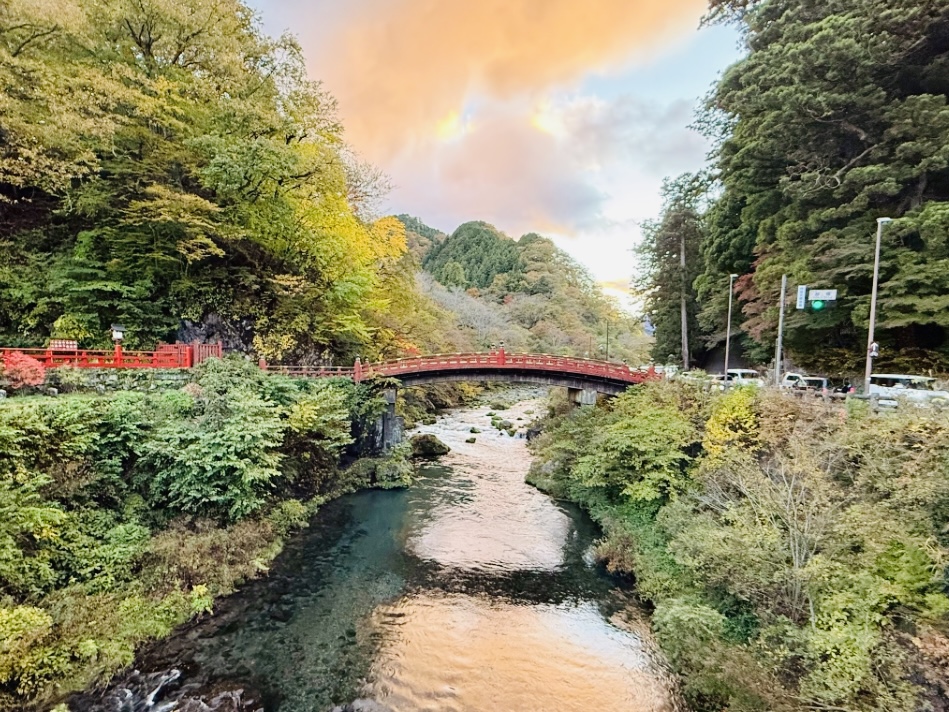
If you’re visiting Japan in autumn, Nikkō is a place worth planning for. It’s close to Tokyo, easy to reach, and full of history and nature. Nikkō is located about two hours north of Tokyo and works well as a day trip or overnight stay. The area is known for historic shrines, mountain scenery, and seasonal foliage.
How to Get to Nikkō from Tokyo
We drove to Nikkō in about two and a half hours, with surprisingly minimal traffic. Driving gives flexibility if you want to explore multiple areas and if you want to drive the famous Irohazaka Winding Road.
If you prefer the train, there are two easy options. You can take the Tōbu Line from Asakusa Station to Tōbu-Nikkō Station. Another option is the JR Nikkō Line from Utsunomiya Station. This route works well if you’re already using JR lines.
Tōshō-gū Shrine and Rinnō-ji Temple
The most famous attraction in Nikkō is Tōshō-gū Shrine. Tōshō-gū is part of the Shrines and Temples of Nikkō UNESCO World Heritage Site. It’s known for its ornate design and detailed carvings. Two of the most famous carvings at Tōshō-gū are the Three Wise Monkeys and the Sleeping Cat. The Three Wise Monkeys represent Buddhist teachings about avoiding harmful actions and influences. They hear no evil, see no evil and speak no evil. The Sleeping Cat is carved near Tokugawa Ieyasu’s tomb. Behind it are sparrows, which normally fear cats. So the carving symbolizes peace and harmony during a stable era like the peace established by Tokugawa Ieyasu.
The shrine was built for Tokugawa Ieyasu, who unified Japan in the 1600s. He later became the founder of the Tokugawa shogunate. That shogunate brought around 250 years of peace to Japan. After his death, Tōshō-gū was built to honor his spirit.
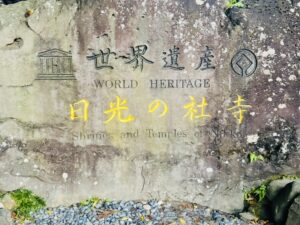
The shrine reflects both Shinto and Buddhist beliefs. This reflects how religion was practiced during that time period. Tokugawa Ieyasu is honored as a spirit in the Shinto tradition. The symbols and carvings reflect Buddhist and folk beliefs.
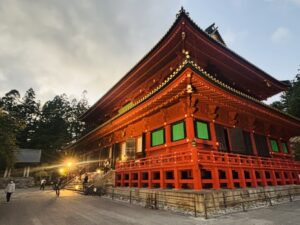
Before the construction of Nikkō Tōshō-gū, the area’s religious center was Rinnō-ji, a Buddhist temple founded in 766 by the monk Shōdō Shōnin. Rinnō-ji established Nikkō as a sacred mountain site centuries before Tokugawa Ieyasu was enshrined there. As the head temple of Tendai Buddhism in the region, it oversaw religious practice in Nikkō and later played a key role in managing Tōshō-gū itself. This history explains why the two sites stand so close together and the mix of Buddhism and Shinto beliefs.
Nature Spots Around Nikkō
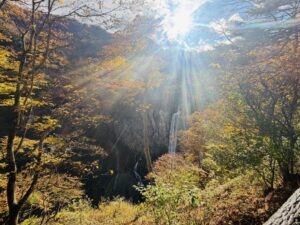
Beyond the shrine area, Nikkō is surrounded by natural beauty. The region is especially popular during autumn. Kegon Falls is one of Japan’s most famous waterfalls. It’s particularly striking when the leaves change color.
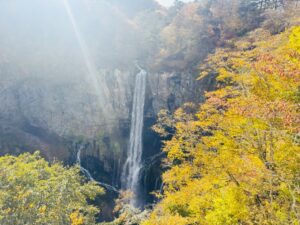
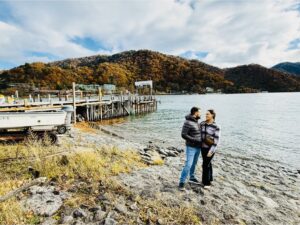
Also nearby, Lake Chūzenji offers peaceful views, paddle boats and walking paths. The surrounding mountains reflect beautifully in the water.
The Irohazaka Winding Road is known for sharp turns and scenic overlooks. It’s a highlight for drivers during fall foliage season.
What to Eat in Nikkō
One local food to try in Nikkō is yuba, or tofu skin. Nikkō’s cool climate and clean mountain water make it ideal for producing high-quality tofu and yuba. Also since buddhist monks traditionally practiced vegetarianism and Nikkō was a sacred city tied to temples and shrines, it became a local specialty of the region.
You’ll also find locally brewed sake throughout town. Again due to environmental conditions, Many breweries in Tochigi (the prefecture Nikkō is in) were founded specifically there.
Many shops offer traditional sweets made with chestnuts. We bought fresh roasted chestnuts cooked by a vendor near Kegon Falls. They’re many street vendors easily found near major tourist areas.
Best Time to Visit Nikkō
Autumn is the best time to visit Nikkō for fall colors and mild weather– that’s when we visited. It’s also the busiest season. Spring is a good option if you want cherry blossoms and fewer crowds. Winter is quiet and peaceful, with snow covering the temples. It’s ideal if you prefer fewer visitors.
Is Nikkō Worth Visiting?
If you’re traveling to Japan in autumn, I would say Nikkō is worth visiting. Personally I can’t wait to return here again the next time I need a little escape from the hectic city life in Tokyo.
For more of our adventures in Japan and outside of Japan, check out these other posts: