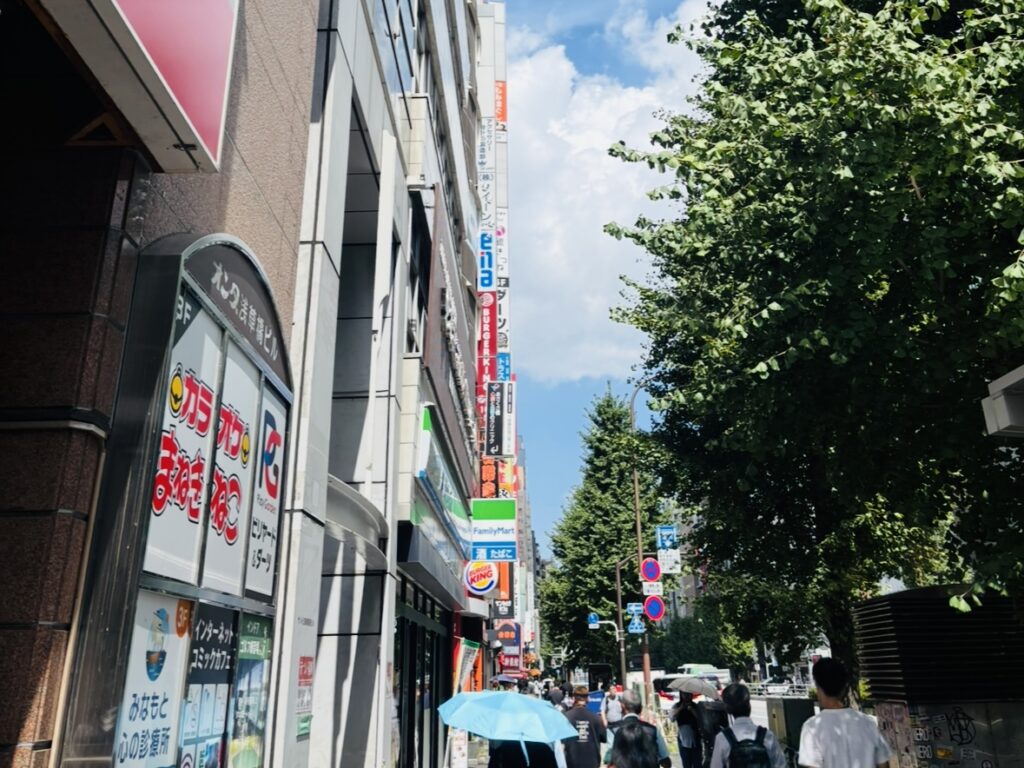
Tokyo can feel overwhelming at first. The city seems endless, and while there’s plenty to do, it’s not always clear what’s worth exploring beyond the tourist routes. That’s why in this series I’m taking the time to explore Tokyo one neighborhood at a time. Today’s neighborhood comes from a TikTok viewer recommendation. Asakusabashi is known for crafts and collectible dolls, so let’s take a closer look.
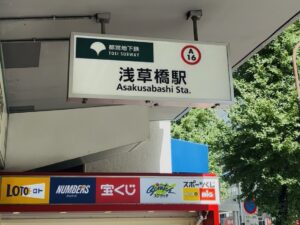
Who should visit Asakusabashi
Asakusabashi attracts the crafters and the collectors. If you’re into jewelry making, leatherwork, sewing, or miniature building, don’t miss Asakusabashi. There are countless little shops and sellers lining the streets around the station. And a handful of multi-story departments stores that sell everything from restaurant takeaway boxes to origami paper.
Two to three hours is usually enough to explore the main streets. Alternatively, to make a full day of it, many combine it with nearby neighborhoods. For example, Akihabara is one stop away and offers plenty to do with anime and electronics. Or Asakusa is also close and is home to temples and traditional shopping streets. Because of this, Asakusabashi works well as a quiet midpoint.
Craft Heritage
To understand Asakusabashi, you have to look at its history. During the Edo period, the area sat near important river transport routes. These waterways made it ideal for moving goods across Tokyo. As a result, wholesalers began clustering here. They supplied beads, textiles, and accessory parts to shops nationwide.
Then after World War II, hobby culture expanded across Japan. By the 1960s, crafting became more accessible to everyday people. Stores opened their doors to meet growing demand.
This shift gradually reshaped the neighborhood from wholesalers only into today’s publicly available craft district.
Doll-Making Legacy
Alongside accessories, Asakusabashi connects to Japan’s doll-making tradition. Japanese dolls are known for precision, symbolism, and ceremonial meaning. They are tied to seasons, family rituals, and cultural milestones. The tradition dates back over a thousand years.
For example, Hina dolls emerged during the Heian period. They represent court life and are displayed during Girls’ Day.
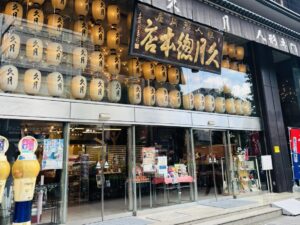
In Japan, craftsmanship is approached with seriousness and precision, so handcrafted dolls are treated as true works of art. Many dolls are handcrafted using wood, silk, and hand-painted faces. Shops like Yoshitoku preserve this lineage. Founded in 1711, it is one of Japan’s oldest doll makers. Prices vary widely depending on craftsmanship. Some dolls start around ¥100,000, or roughly $700. Others exceed ¥1,000,000, over $7,000. These are not toys but collectible art and heirlooms.
Location, Cafes, and Daily Life
Beyond its shops, Asakusabashi feels like a place people actually live in. That’s most noticeable in the local cafés and restaurants. Japan takes café culture seriously, with real care given to atmosphere and detail. You see that in the small, unique businesses throughout the area. Coffee shops and family-run restaurants are scattered along the streets. One memorable find was a tiny Thai restaurant near the station. The food was excellent—as always in Tokyo. To add to that, one thing I appreciate about Tokyo is the strength of its international food scene. Even though you probably came to Japan to experience their main meals, Tokyo excels at international cuisine. After ramen and sushi, it’s worth exploring what else the city does well.

Final Notes
Asakusabashi is best for travelers who enjoy niche experiences. Craft lovers, designers, and anyone curious about traditional dolls will find plenty to explore. The neighborhood is especially known for accessory-making and historic doll craftsmanship. While I’m not deeply into these hobbies myself, I still had loads of fun exploring. And that’s my take on Asakusabashi— keep following along to see which Tokyo neighborhood I explore next!
Or check out these posts:
Exploring Tokyo Neighborhoods: Shibuya