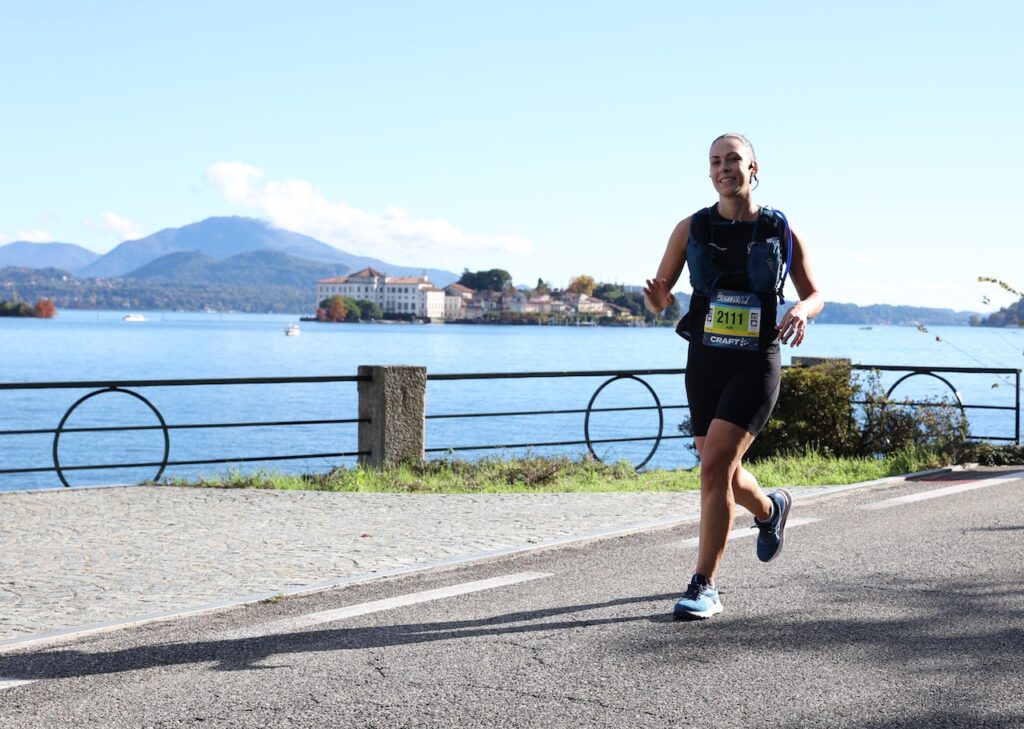
Tokyo summers are no joke. You know that moment when you open the oven and get blasted with heat? That’s exactly what it feels like stepping outside during Japanese summers. People warned us before we moved, but honestly—nothing prepares you for it until you live through it. Still, I love running. It clears my head, keeps me sane, and makes me feel grounded. After a few sweltering seasons, here are my top tips for running in the summer heat.
1. Hydrate
Hydration might seem like an obvious topic, but it’s one of the most important things to actually plan for. It’s not just about chugging water during your run. How much should you drink, and when? Should you hydrate the night before? A few hours before your run? Do you need electrolytes? Let’s break it all down.
The day before a long run (over an hour), or if you know it’s going to be hot, make sure you’re drinking water steadily throughout the day. Also, skip the alcohol, it just makes you more dehydrated.

The morning of your run:
- 2–3 hours before: Drink about 16–20 oz (500–600 ml) of water.
- Optional top-up: If it’s super hot, drink another 6–8 oz (180–240 ml) 20–30 minutes before you head out.
During your run:
- Under 60 minutes? Water is fine. If it’s humid, sip a bit every 15–20 minutes.
- 60+ minutes or high heat? Aim for 4–8 oz (120–240 ml) every 15–20 minutes.
- Going long (90+ mins)? Time to bring in electrolytes—sodium, potassium, or a solid sports drink.
Let’s personalize this a bit. Everyone sweats at different rates based on factors like body size, fitness level, sex, genetics, heat acclimation, and hydration. So another general rule to follow: replace about 75% of what you sweat out during the run. How do you know how much that is? Weigh yourself before and after a run. If you lose 1 pound (0.45 kg), that means you’ve lost about 16 ounces (473 ml) of fluid. So during your hour-long run, drink 12 oz (355 ml) spaced out every 15–20 minutes. Then once you finish your run, you need to make up at least the final 4 oz (118 ml) of fluid lost. Once you have a general idea you can estimate how much to drink on your next long run.
Dehydration can creep up on you. Look out for dizziness, dry mouth, cramps, or sudden fatigue. Personally, I learned the hard way. Last summer in Japan, after a humid run, I felt lightheaded and shaky. Since then, I’m extra mindful—not just of hydration, but also signs of heat exhaustion, which happens when your body can’t cool itself properly. Heavy sweating, nausea, dizziness, and rapid heartbeat are red flags you shouldn’t ignore.
2. Slow Down
Ditch the pace obsession. Running in high temperatures places greater stress on your body—your heart rate rises to regulate core temperature, and as your body prioritizes cooling, less blood and oxygen reach your muscles. The result? Slower, sweatier miles. When I trained for a marathon during a brutally humid summer in Milan, my pace was often 30% slower than usual. But I trusted the process. I didn’t calculate exact paces—I just ran by feel. And guess what? All that summer effort paid off. When race day came that fall, I ran faster than any of my training runs. So remember: slowing down in the heat isn’t losing progress—it’s building resilience.

3. Sun protection
Sunscreen is a must—don’t skip it. I love a hat, not only for sun protection but for keeping my mess of hair somewhat under control. When possible, choose shaded routes like those found in parks, and try to time your runs for early morning or later in the evening when the sun isn’t as intense. If you’re running near water or anywhere with a lot of glare—from cars, windows, or signs—sunglasses can make a big difference. I rarely run in sunglasses and I don’t think I’ll ever splurge on fancy running shades myself. However, if I lived near a beach or lake, I’d probably invest in a good pair.

Summer running comes with its challenges but with a few smart adjustments, it will pay off. Hydrate well, ease off your pace, and don’t mess around with the sun. It might not be your fastest season, but if you respect the heat and work with it instead of against it, you’ll come out tougher and more resilient on the other side. Listen to your body, stay safe and your fall legs will thank you.
For more running tips or some of our travel adventures and life in Japan, check out these other articles:
Where to go for cherry blossoms in Tokyo
Disclaimer: The information in this post is based on personal experience and general guidance for running in hot weather. Always consult a medical professional before starting a new exercise routine, especially in extreme conditions.