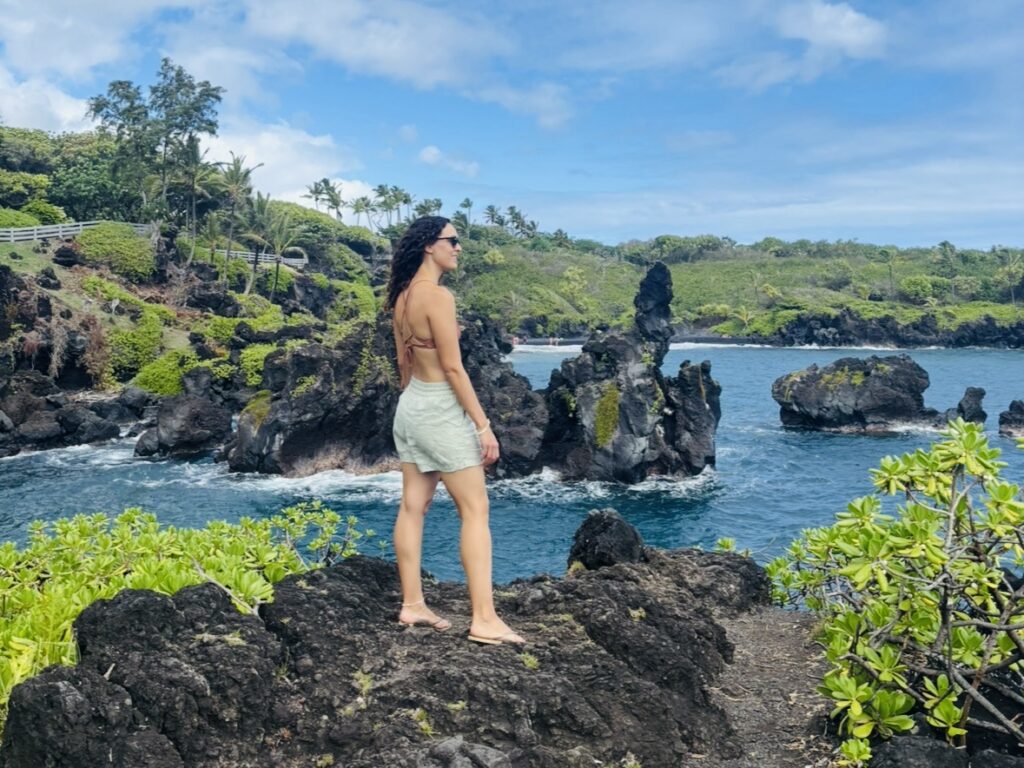
Our fourth and final full day in Maui was spent driving the famous Road to Hana — a winding, scenic route that’s just as much about the journey as the destination. Before heading on to Oahu, we wanted to make the most of the day, stopping at waterfalls, beaches, and local spots along the way.
In this post, I’ll break down every stop we made, what I’d recommend, plus a few tips for anyone planning to do the drive themselves.
Early Start and Local Etiquette
If you’re doing the Road to Hana, my number one tip is: start early. The drive is about 64 miles with over 600 turns, so even though it technically takes around two and a half hours without stops, you’ll probably spend closer to ten or twelve hours with all the sightseeing. Also, be kind—pull over for locals. A lot of people actually live and work along this road, so while you might be cruising for the views, they’ve got places to be.
Definitely download the Shaka app before you go. It has an offline map for when your GPS inevitably gives up, and it talks you through the route, explaining all the cool stops and local stories along the way.
The classic photo spots include Twin Falls, Waiʻānapanapa’s black sand beach, the Seven Sacred Pools, Wailua Falls, Hāna Bay, Kaumahina State Wayside, and Upper Waikani Falls. You’ll also find plenty of good food stops—fresh banana bread at Halfway to Hana and local food trucks everywhere you turn.

Our Day
We started our day in Kīhei with breakfast at The Cinnamon Roll Place, which opens bright and early at 6 a.m. The cinnamon rolls were huge—neither of us could finish one, so we saved the rest for snacks later. From there, we drove about an hour to Pāʻia, where the Road to Hana officially begins.

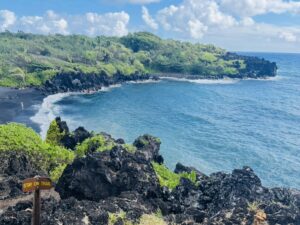
Our main goal was the black sand beach at Waiʻānapanapa State Park. Important tip: you have to book ahead. Reservations open 30 days in advance, and we waited until the last minute, so we only snagged a morning slot. Each visit lasts about two and a half to three hours, and it costs around $5 per person plus $10 per vehicle.
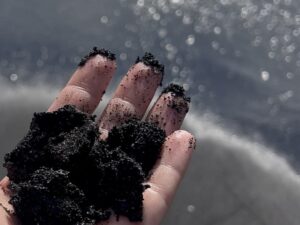
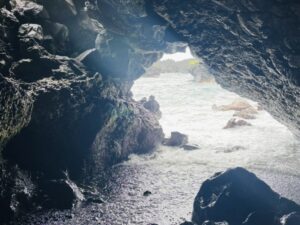
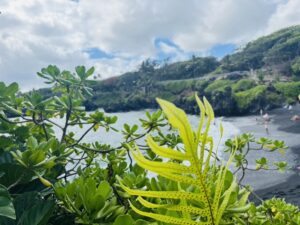
The beach was beautiful and unique, with black rocky sand due to the once volcanic origin of Maui—it’s literally ground-up lava. There’s a small cave nearby that’s easy to miss but totally worth checking out. We got there a little late and only had about an hour and a half, which was just enough to explore and take photos. We didn’t swim or picnic, just wandered, snapped some shots, and moved on. Totally worth it, just plan ahead so you’re not rushing.
Stops Along the Way
Along the Road to Hana, you’ll find plenty of small fruit stands set up by locals. Bring cash if you want to pick up fresh fruit or homemade snacks—it’s a nice way to support the community and enjoy a taste of local life. We passed a few cute shops we didn’t have time to stop at, including the well-known Aunt Sandy’s Banana Bread. To be honest, I’m not much of a banana bread person anyway, but it’s a favorite for many travelers. The great thing about the Road to Hana is that you can experience something new each time you visit Maui—there’s always another stop to discover.
We didn’t stop in Hana initially, though we did take note of which food trucks we would come back and visit later. Instead, we continued on to the Kīpahulu District of Haleakalā National Park, located just past the town of Hana on Maui’s lush eastern coast. Here’s another important tip: if you’ve already visited the summit section of Haleakalā, or plan to go afterward, keep your entrance receipt. It’s valid for three days, which saved us from paying another $30 per vehicle—luckily, we still had our ticket stuffed in our backpack.
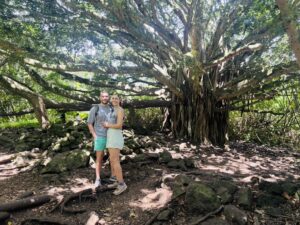
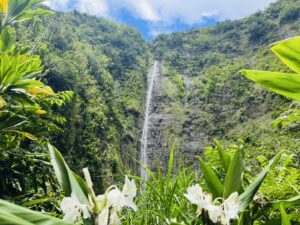
This part of the park is completely different from Haleakalā’s high volcanic summit. It’s tropical, full of rainforests, bamboo groves, and waterfalls. Two of the park’s main attractions here are the Pīpīwai Trail and the ʻOheʻo Gulch, also known as the Seven Sacred Pools. The Pīpīwai Trail is about four miles round trip and usually takes two to three hours at a moderate pace. It leads through a peaceful bamboo forest, past several smaller falls, and ends at Waimoku Falls, a dramatic 400-foot cascade.
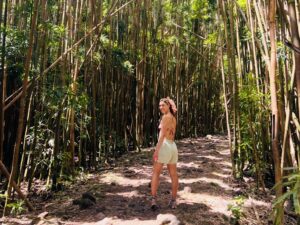
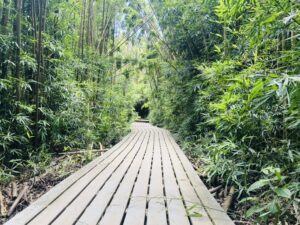
Having lived in Japan, I’ve seen Kyoto’s famous bamboo forest, but I actually preferred this one—probably cause there was a whole lot less people. There was something calming about hearing only the sound of wind knocking the bamboo together, with nothing else around.
If you’re looking for a shorter walk, you can stop at the Makahiku Falls overlook about a half mile in, which takes around thirty to forty-five minutes round trip.
Closer to the visitor area, the ʻOheʻo Gulch features a series of tiered pools and waterfalls that flow through the forest toward the ocean. Swimming is often restricted because of flash-flood and rockfall risks, but the loop trails give you beautiful views of the falls and coastline.
Altogether, between the Pīpīwai Trail and the ʻOheʻo area, you’ll see multiple waterfalls—two large ones and several smaller cascades. Plan to spend a few hours here so you can hike, take photos, and relax without rushing. We spent about three hours total, arriving around 11 a.m. and leaving at 2 p.m.—just as the rain started, which I later learned is pretty typical for the afternoons.
Hana Town and Hidden Gems
After hiking, we were pretty hungry. We’d finished our cinnamon roll and a few granola bars earlier, so our next stop was the food trucks in Hāna. We chose Orale Taco, which was excellent—definitely a 10/10. Living in Japan, good Mexican or Tex-Mex food is hard to find, so this place was a real treat. The shrimp tacos were packed with flavor, and the owner, who was running the truck himself, was incredibly kind. He took time to chat with us, ask about our trip, and even introduced us to his adorable dog.

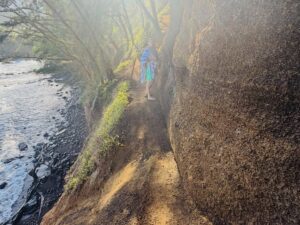
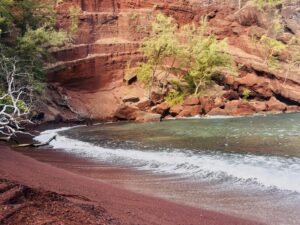
While still in Hāna, we visited a semi-hidden spot that friends had recommended: the Red Sand Beach. If you decide to go, be very careful. There’s a reason it’s not listed on most official itineraries. The path isn’t clearly marked, there’s no proper parking area, and the trail along the cliff is kind of treacherous. Still, the beach itself was stunning—a small, sheltered cove with striking red sand and blue water. We waded in a bit but didn’t go too far since the waves were pretty rough. We stayed for about an hour before starting the drive back to Kīhei.
One last tip—try to head back before dark. The road’s sharp turns and narrow lanes make nighttime driving tricky.
Reflections on the Road
Quick rant. Earlier I said to pull over for locals, and yes, that’s good advice. But every now and then, you’ll run into one who thinks they own the road. Even when everyone’s going the speed limit, they’ll fly up behind you and tailgate like crazy. (In Japan I don’t expect everyone to move out of my way or let me to the front of the line because I live there and they are just visiting.) It’s annoying, but it’s not worth getting worked up over. When that happens, I try to remind myself what kind of person behaves that way—and it’s not someone I want to be. Let them pass, let them bother someone else, and don’t let it ruin your day in paradise.
As my dad always said, “You can’t reason with unreasonable people.” It’s true anywhere in the world—Maui, Japan, or anywhere else. So just relax, enjoy the drive, and save your energy for the next waterfall stop.
Evening Wrap-Up and POG Fun Fact
After a long, twisty drive and a full day of exploring, we stopped at Chick-fil-A and a convenience store for dinner and some Maui POG hard seltzers. If you haven’t heard of POG before, it’s a super popular Hawaiian nonalcoholic juice made from passion fruit, orange, and guava. It was invented back in the 1970s by Haleakalā Dairy right here on Maui, and the name comes from the first letters of each fruit.

Fun little throwback for 90s kids: remember the game “Pogs”? That actually came from POG juice! The cardboard caps from the bottles were the first “Pogs” people used to play with — which eventually turned into the collectible game craze. Who knew juice could start a nationwide obsession?
Driving back that evening, with the sun setting behind the mountains, I couldn’t help but think about how days like this are what travel is really about. It’s not just the big sights — it’s the little things: the friendly taco truck owner, the sound of bamboo in the wind, and the hidden beaches. By the time we got back to Kihei, tired but satisfied, it felt like the perfect way to wrap up our time on Maui before moving on to Oahu.
Key Takeaway Tips:
- Start early
- Download the Shaka app
- Pack snacks and bring cash for fruit stands
- Book the Black Sand Beach in advance
- Pull over for locals
- Don’t let rude locals bother you
- Save your Haleakalā entrance ticket
- Head home before dark
- Take your time and enjoy the ride
To be continued…
Check out some of our other adventures:
Maui Arrival: Snorkeling at Molokini Crater and Swimming with Sea Turtles