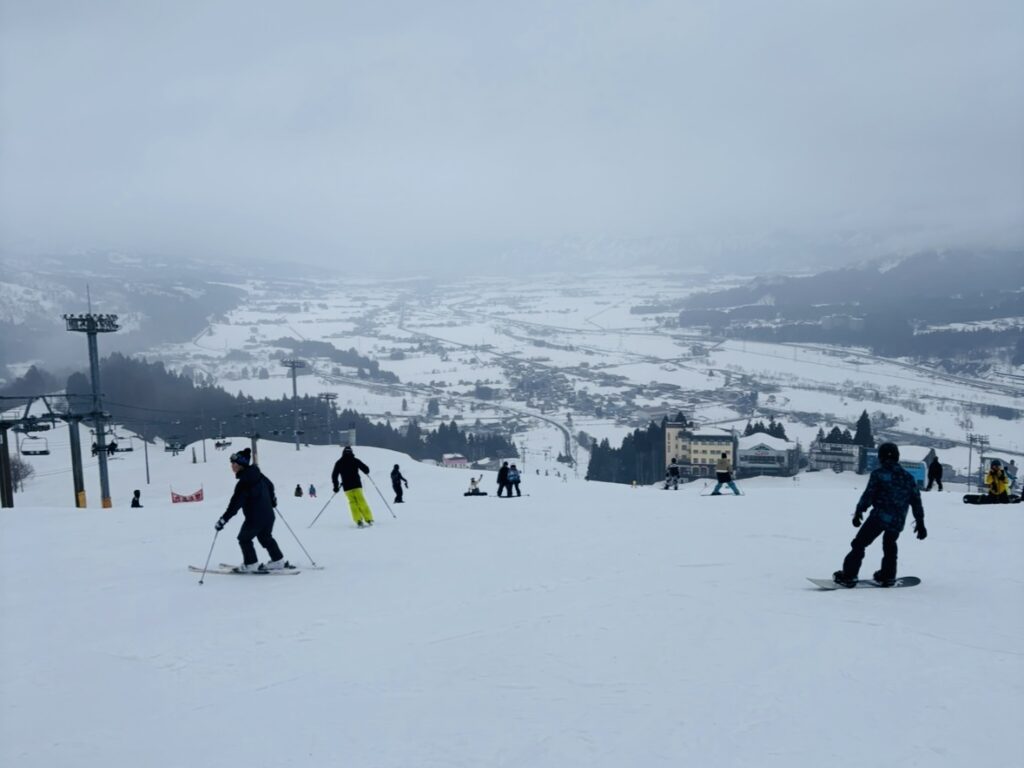
Many people think of Japan for their delicious food, traditional culture or their beautiful gardens and cherry blossom season. But did you know Japan is also the perfect skiing and snowboarding destination? Here’s why you should plan a ski trip to Japan. And what makes skiing in Japan different from anywhere else?
Where I Have Skiied
I hadn’t skied or snowboarded in almost ten years. Winter where I grew up in the Northeast US became unpredictable over the last decade. One day brought snow, and the next felt like spring. Local resorts tried to make snow, but the slopes often turned icy by afternoon. By the end of the day, it sometimes felt more like skating than skiing. Back then, a season pass cost around $500–$600. I couldn’t justify paying that much to ski in that ice rink. (These days, passes in that area cost closer to $600–$800!) Ten years later, I started skiing again after moving to Japan. Now I can’t imagine waiting another decade to go again.
Skiing might be one of my favorite activities here. Last year, We skied in Hokkaido for the first time, one of Japan’s most famous winter regions. We bought a weekend pass for the Sapporo Snow Festival in February. The festival features giant snow sculptures and detailed ice carvings built by locals. Our pass also included a ski day at Sapporo Teine Ski Resort. If you like powder snow, Hokkaido absolutely delivers.
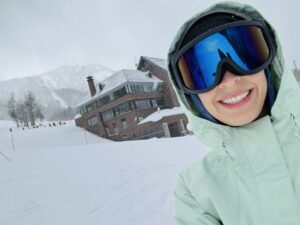
A quick side note I loved learning. A friend from Hokkaido told me many schools there actually teach skiing in grade school.
This year, we tried skiing somewhere new, in Niigata Prefecture. We went to Ishiuchi Maruyama Ski Resort. Although Tokyo had a relatively mild winter, the nearby Echigo Mountains still received heavy snowfall making the region the perfect winter sport day trip from Tokyo.
One challenge for me there was that several nearby ski resorts connect through overlapping trails. Because of that, it’s easy to wander into another resort by accident. And each ski lift belongs to a specific resort, so you need to use correct lift pass. Thankfully, I went with some Japanese friends who knew the area well. They helped keep track of where we should go. Without them, I probably would have struggled a bit. Especially since I don’t speak Japanese so trying to figure out where to go for the bus or comparing prices for different equipment rentals companies in the area would have been difficult without my friends. However, that is not the case with all Japanese Ski Resorts.
Famous Ski Sesorts in Japan that Many Foreigners Visit
If you start researching skiing in Japan, a few places come up again and again.
Niseko
Niseko is probably the most famous ski resort in Japan. It sits in Hokkaido and gets incredible powder snow. Cold Siberian air moves across the Sea of Japan and creates frequent snowstorms.
Because many international travelers visit, Niseko offers more Western-style hotels, restaurants, and services. I haven’t been yet, but it’s likely easier for English speakers.
Furano
Another popular Hokkaido resort is Furano. Both Japanese and international skiers visit each winter. People often say Furano feels less crowded than Niseko. That makes the experience a little calmer overall. Beginners can ski there comfortably, but intermediate and advanced skiers enjoy the long runs most.
Hakuba Valley
Hakuba Valley sits in Nagano and hosted events during the 1998 Winter Olympics. The valley includes multiple ski resorts with trails for every skill level. Both locals and international visitors ski here every winter. Because of that mix, English-friendly hotels, restaurants, and ski schools are easy to find. The valley is also huge, which helps spread out the crowds.
What Surprised Me About Skiing in Japan
The Cost
It’s much cheaper. The first surprise was the cost. Compared with skiing in the United States, skiing in Japan feels far more affordable. Friends from Australia say the same thing about Australian resorts.
The Food
The food after skiing. In the US, we usually ended ski days at a diner. We’d order big American breakfasts after hours on the slopes. Those are still some of my favorite memories.
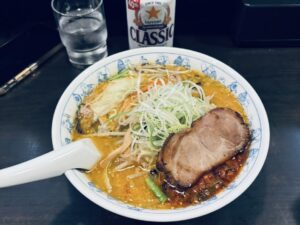
In Japan, though, I discovered something even better. Nothing beats a hot bowl of ramen or udon after skiing. Japanese curry is also common at ski resorts. But for me, steaming noodles are always a win.
The Onsen culture
Another tradition is visiting an onsen after skiing. I’m honestly not much of an onsen person. Still, I understand why people love it. Hot springs increase blood flow and relax tired muscles. Many onsens also contain minerals like sulfur or sodium bicarbonate that are traditionally believed to soothe joint and muscle pain.
The Snow Conditions
Finally, the snow itself makes Japan special. Japan has excellent ski conditions mainly because of its unique geography and weather patterns. Cold air masses from Siberia travel across the relatively warm waters of the Sea of Japan, picking up moisture before hitting Japan’s mountainous terrain. When it rises over places like Hokkaido and Nagano, it releases heavy snowfall. That process creates frequent storms and incredibly light powder. Resorts like Niseko are famous for this reason.
A Few Things to Know Before Skiing in Japan
One thing that surprised me is how close many ski resorts sit to each other. In some areas, multiple resorts share the same mountain. Because of that, trails sometimes cross into another resort without much warning. Each resort runs its own lifts though. That means you need the correct lift pass. It’s easy to accidentally head toward the wrong lift if you’re not paying attention. That said, not every resort works this way. Some ski areas operate completely on their own with separate lifts and trails. In places like Hokkaido, some resorts even share lifts and trails. That setup makes things simpler.
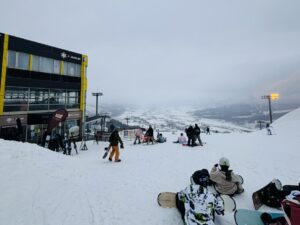
Language can also be a small challenge. You’ll probably run into a language barrier at some point. Still, I noticed that staff usually try hard to help visitors. Having a translation app ready makes things much easier.
One last tip: bring some cash when skiing. At the resorts I visited, most restaurants on the mountain only accepted cash. Keeping a few bills on hand for the lodges along the trails was essential.
My Takeaways About Skiing in Japan
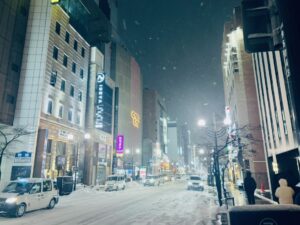
If you’re visiting Japan mainly to ski, I would head straight to Hokkaido. The island is famous for its powder snow and well-known ski resorts. While you’re there, spend some time exploring Sapporo. It’s a great city with fantastic food. Hokkaido is especially known for dishes like Miso Ramen, which happens to be my favorite. Honestly, I think Hokkaido deserves a visit even if you don’t ski.
That said, many travelers spend most of their trip in Tokyo. If that’s the case, you can still add a ski day to your itinerary. You can take the Shinkansen to snowy areas like Niigata Prefecture or Nagano. Both regions make surprisingly easy day trips from Tokyo.
I also noticed one small but interesting detail. The ski lifts in Japan are very easy to get on and off. I always have a little “lift anxiety.” I just know I’m about to wipe out in the most embarrassing way possible. But the lifts in Japan made things much easier. They slowed down as they approached the exit. The ramps also had gentle slopes instead of steep drops. So far, they’ve saved my dignity every time. After rediscovering skiing here, it’s become one of my favorite ways to experience winter in Japan. I’m already looking forward to the next season.
For more of our adventures, check out these other posts: