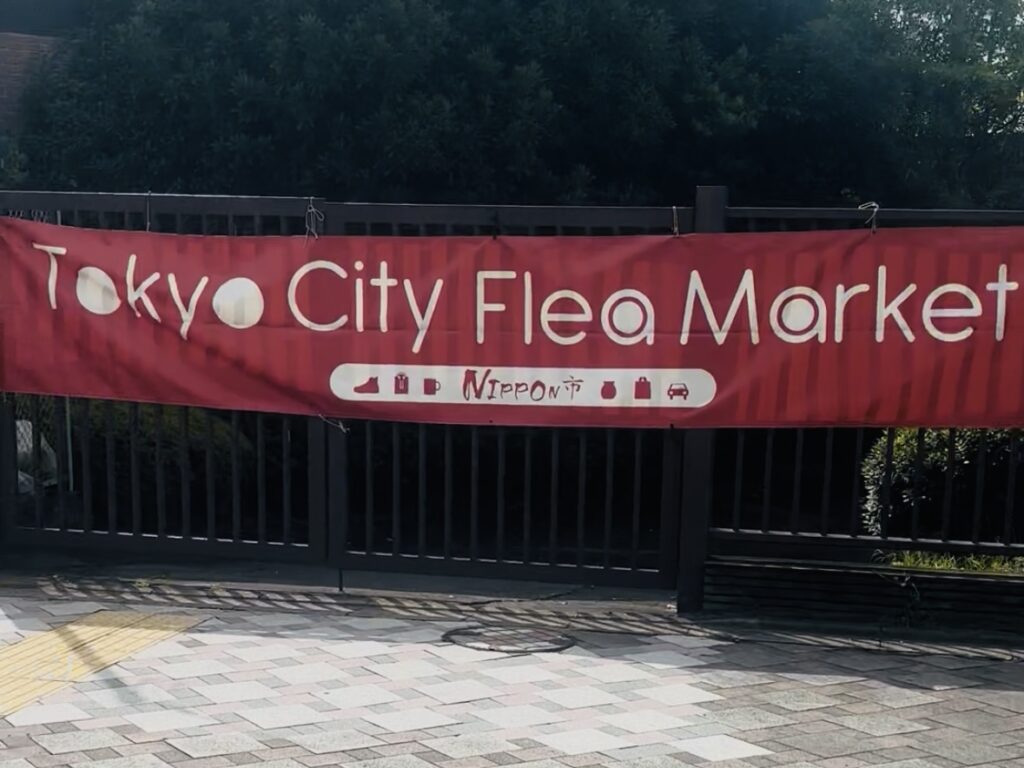
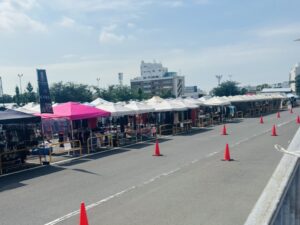
If you’re traveling in Tokyo and want to do some secondhand shopping, you’ve probably seen the Tokyo City Flea Market at Oi Racecourse pop up on your radar. It’s famous for being one of the biggest and oldest open-air markets in the city, boasting anywhere from 300 to 600 vendors on a good weekend. After living in Tokyo for a few years and browsing my fair share of local thrift stores, I decided to check it out for myself. Here is my honest breakdown of what to expect, what’s actually worth buying, and what you might want to skip.
The Logistics: When and Where?
A lot of people think this market only runs during the summer, but it’s actually open year-round on Saturday and Sunday mornings.
• Official Hours: 9:00 AM – 2:30 PM (though vendors start setting up around 7:00 AM and often pack up by noon).
• Location: Oi Racecourse parking structure.
Tip: Because it’s an outdoor market, weather is a huge factor. Heavy rain, high winds, or events at the racecourse can lead to last-minute cancellations. Before heading out, always check their official Instagram account (@tokyocityfleamarket) or their website (trx.jp) for updates so you don’t make the trip for nothing.
What Can You Actually Find There?
Because of the sheer size of the market, the selection is pretty massive. Walking through the rows, you’ll see:
• Traditional Japanese Goods: Kimonos, yukatas, ceramics, and retro home decor.
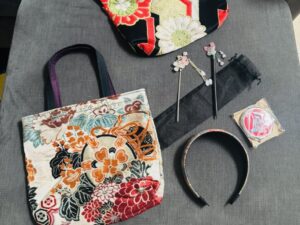
• Handmade & Upcycled Crafts: Unique jewelry, Japanese hairpins, and crafts made from repurposed vintage kimono fabric.
• Secondhand Clothing: Everything from vintage jackets to massive, unsorted bins of clothes.
• Collectibles: Anime figures, Pokémon cards, retro video games, and toys.
• Designer Items: Tables full of secondhand luxury bags.
My Honest Review: Is It Worth It?
If you’re heading here expecting rock-bottom prices or crazy deals on everything, you might be a little disappointed. In my opinion, the main appeal of this market isn’t bargain-basement prices—it’s the sheer variety of unique items in one place.
Here’s how different categories stack up:
1. What’s Worth Buying: Handmade & Upcycled Goods
This was easily my favorite part of the market. There are several artisan vendors selling handmade items you won’t easily find elsewhere. I specifically loved the repurposed kimono items—things like bags, accessories, and crafts made from old kimono silk—alongside handmade jewelry and hair pins. Most of these sellers priced their work very reasonably, and it felt special to support local makers.
2. What to Skip: Kimonos & Secondhand Clothing
If your main goal is to find cheap clothes or traditional garments, you’re actually much better off visiting chain thrift stores around Japan like 2nd Street or BookOff.
At the flea market, clothes were either displayed nicely on hangers and priced surprisingly high, or thrown into massive piles that felt like digging through someone’s dirty laundry (some items were actually stained). For context, I’ve bought a like-new cotton yukata at a regular local thrift store for 800 yen, whereas vendors at the flea market were asking 3,000 yen and up for similar items.
3. High-End Items & Luxury Bags
There’s a huge selection of luxury bags and collectibles, but the prices were on par with—or higher than—what you’d pay at a formal secondhand store. Personally, I wouldn’t take the risk of buying an expensive designer bag at a temporary stall where you don’t get a receipt or authenticity guarantee, especially when physical thrift stores in Tokyo offer both.
The Haggling Situation (It Might Surprise You)
If you’re used to flea markets in other countries where bartering is half the fun, manage your expectations here.
I’m not much of a haggler myself, but my friend—who is much bolder—asked for a lower price on almost every single item she looked at. Almost every vendor flatly said no. Only one seller offered a tiny discount because she was buying multiple items. So if you go, assume the price marked on the tag is the final price.
Final Verdict
So, is the Tokyo City Flea Market worth a trip? Yes, absolutely—as long as you go in with the right expectations.
You might not walk away with dirt-cheap steal deals, but the sheer size of the market makes it a super fun weekend outing. Between hunting for unique handmade crafts, grabbing a bite at the food trucks, and enjoying a classic outdoor market atmosphere, it’s a great way to spend a morning in Tokyo.
For more Japan tips or our other adventures, check out these other posts:
Cherry Blossom Season in Tokyo