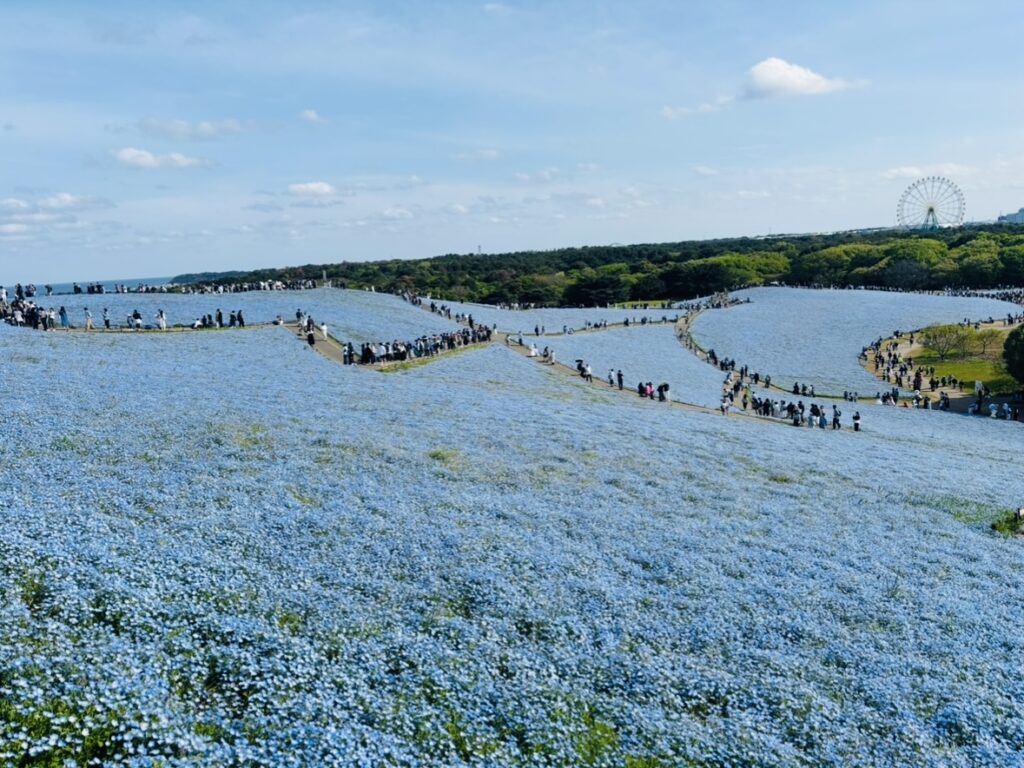
You know those places that look so perfect online you’re convinced they’re photoshopped? Hitachi Seaside Park is one of them. Located in Ibaraki Prefecture, this massive park has become a bucket list staple in Japan, famous worldwide for its literal “flower seas” that change colors with the seasons. If you’ve seen the viral photos of endless blue hills and wondered if it’s actually worth the trip from Tokyo, how to get there, or what the deal is with these massive flower fields, you’re in the right place. Let’s break down exactly what it’s like to visit, how we planned our day, and why this spot became so legendary.
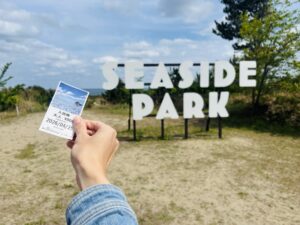
Getting There From Tokyo: The Logistics
Getting to the park is a bit of a trek, but it’s pretty straightforward once you know your options. We traveled from Shinagawa Station, and the whole journey took us about two and a half hours. We opted for the Limited Express train (the Hitachi or Tokiwa line on the JR Joban Line) with reserved seats. It costs around 4,000 yen (about $26 USD) each way, taking you straight to Katsuta Station.
• The Budget Option: If you’re looking to save some cash, there is a local train option that’s cheaper. Just a heads-up, though—it adds about an extra hour to the trip each way.
• The Last Leg: Once you get to Katsuta Station, you just need to catch a quick 15-minute shuttle bus right to the park gates.
What to Eat
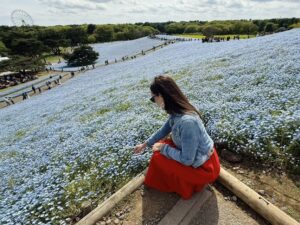
When it comes to food, you have a few options, but you need a game plan. Inside the park, there are plenty of food vendors and stalls set up, especially near the main flower hills. They sell everything from local Ibaraki street food to themed treats like blue nemophila ice cream. However, because it’s so popular, the lines can get absolutely brutal. When we looked into buying food inside on Saturday, we were quoted a 45-minute wait just to order.
Because we wanted to skip those crazy lines, we actually stopped for lunch before entering the park. We headed to a nearby onsen (hot spring bathhouse) for their restaurant. We saw it advertised at the train station before catching the final shuttle bus to the park entrance. And it ended up being an amazing decision. We had some of the most incredible, fresh sashimi I’ve ever tasted, and there was so much food on the table I couldn’t even finish it all. Plus, we got to sit down, relax, and completely bypass the lines at the park. If you want a proper, high-quality meal without wasting an hour standing in a queue, eating before you get to the park is definitely the way to go.
The History: Why Is This Place So Famous?
What makes Hitachi Seaside Park so fascinating isn’t just how it looks now, but the history behind it. The park is built on land that used to be a military airfield, which was later used as a bombing range by the US forces after World War II. In the 1970s, the land was returned to Japan, and the government decided to transform it into a public space dedicated to peace and nature.
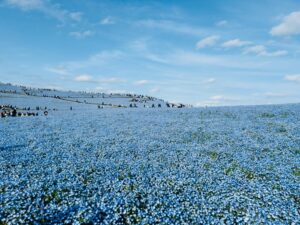
But why plant millions of tiny flowers on a giant hill? The star of the park is an area called Miharashi Hill. The creators wanted to plant something that would create a seamless view where the earth meets the sky. They chose Nemophila plants because their specific shade of blue flowers perfectly blends into both the ocean horizon in the distance and the sky above. Every autumn, volunteers and park staff manually plant millions of these seeds to make sure the hill completely transforms by spring.
What to See: Spring Blues vs. Autumn Reds
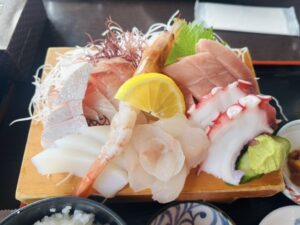
The main spring event is definitely the Nemophila, from mid-April to early May. Fortunately we caught it in peak bloom so the ground was covered in these tiny, delicate blue flowers. When millions of them bloom together, it looks like a solid blanket of blue. Seeing those rolling hills meet the sky felt exactly like walking into a dream. It made every single bit of the travel time and train transfers from Tokyo worth it.
If you can’t make it for the spring bloom, the park is equally legendary in the fall. Around October, those exact same rolling hills swap the blue flowers for Kochia bushes. Kochia plants are these round, fluffy summer-green bushes that turn a vibrant, fiery red as the weather cools down, completely altering the landscape.

Final Takeaways
Since it was a Saturday when we visited, I was a little worried the crowds would be frustrating. But honestly? The park is so massive that it didn’t actually feel that cramped. It got a little crowded in a few specific photo hotspots, but overall theres plenty of room if you keep moving throughout the park. The park closes around 5:00 PM and even thought we didn’t arrive until a little after 1pm, we were able to see everything we wanted without feeling rushed. At the same time we could have easily spent the entire day there, so it really comes down to how much time you want to spend wandering around some fields of flowers.
So if you are visiting Japan during those peak blooming times and debating whether or not to add this to your Japan itinerary, I would absolutely recommend it. Yes, it takes half a day of traveling back and forth from Tokyo, but standing in the middle of those endless blue (or red) hills is something you can’t really experience anywhere else. I already can’t wait to revisit Hitachi Seaside Park in the fall!
For more of our adventures, check out these other posts: